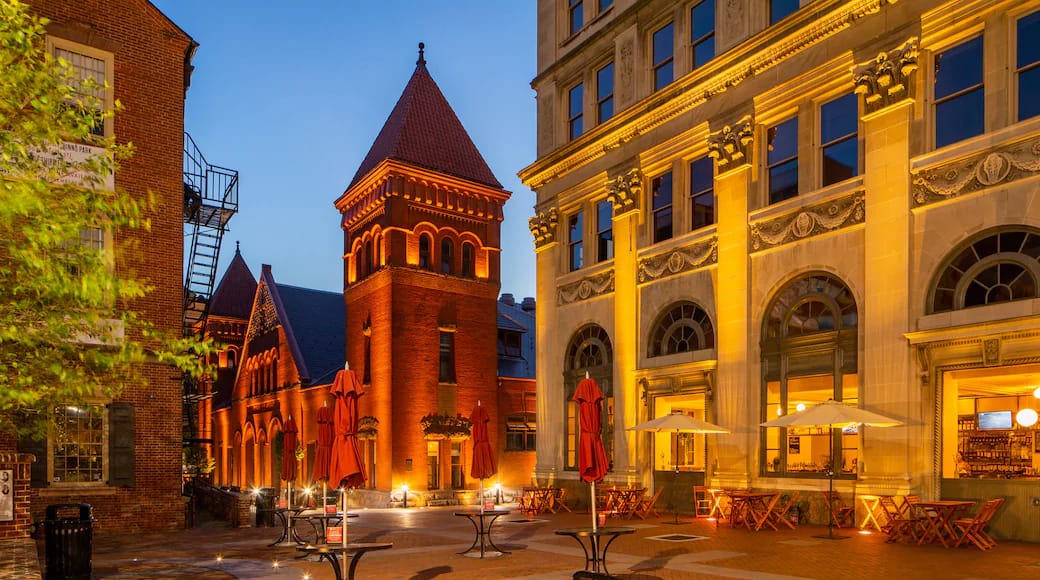
Buying a second home in Lancaster County, PA gives you a place to exhale — and a decision you can defend on paper.
There’s a moment many accomplished households reach.
The career is established. The children are older — or growing quickly. The noise of constant acceleration begins to feel unnecessary. What you want isn’t flash. It’s steadiness. Beauty. A place that restores you instead of merely entertaining you.
And for those of us raising children, it’s more than rest we’re after. We want them to experience a world beyond screens — farmers markets, open fields, live theatre, real conversation — the kind of curiosity-forming experiences that quietly shape character and expand vision. A second home, when chosen wisely, becomes part of that formation.
That’s usually when the second-home conversation begins. Then, increasingly, that conversation is landing in Lancaster County, Pennsylvania — not because it is trendy, but because it makes sense.
Why Lancaster Feels Different
Lancaster is not a resort market pretending to be a town. It is a real place with economic roots, generational continuity, and cultural infrastructure.
You can spend Saturday morning at Lancaster Central Market, established in 1730 — the oldest continuously operating public farmers market in the country — and walk to dinner and a performance at the historic Fulton Theatre that evening.
But by Sunday afternoon, you’re driving through preserved farmland that feels unchanged by time.
That duality — culture and countryside — is rare.
And it’s one of the reasons discerning second-home buyers are quietly paying attention.
The Emotional Pull: Culture Without Congestion
Many traditional second-home markets offer beauty — but they also come with compression:
- Seasonal traffic
- Peak-weekend overcrowding
- Escalating insurance costs
- Resort-driven pricing volatility
- Short-term rental policy swings
Lancaster offers something steadier.
It provides:
- Walkable historic districts without urban chaos
- Restaurants and theatre without reservation warfare
- Open space without isolation
- Community without pretense
You can host friends here without performing.
You can dress up — or not.
You can attend an event — or simply sit on a porch and listen to the quiet.
That rhythm matters.
The Practical Pull: A More Disciplined Real Estate Play
Emotion brings people here.
Economics keeps them comfortable with the decision.
Lancaster County is not a purely seasonal market. It has:
- A diversified economic base
- Strong regional accessibility
- A year-round residential demand profile
- Multiple price segments that behave differently
This matters from an investment standpoint.
Unlike many resort-driven areas where values hinge heavily on tourism cycles, Lancaster real estate is supported by:
- Healthcare
- Manufacturing
- Agriculture
- Education
- Regional commuter patterns
That underlying stability can moderate volatility compared to purely leisure markets.
Second homes here are often:
- Less exposed to extreme seasonal value swings
- More predictable in long-term appreciation patterns
- Less vulnerable to insurance spikes tied to coastal exposure
And because Pennsylvania’s tax structure can be more moderate than certain neighboring states, overall carrying costs may compare favorably — especially for Northeast households accustomed to higher property tax environments.
Responsible buyers think in total ownership cost, not just purchase price.
Lancaster often performs well in that equation.
Access Without Exhaustion
A second home only works if you use it.
Lancaster is reachable without requiring an entire travel day. The Amtrak Keystone Service connects Lancaster directly with Philadelphia and New York corridors, allowing for civilized, low-stress travel when driving isn’t ideal.
By car, you are within practical reach of:
- Philadelphia
- Baltimore
- Washington DC
- New York (for long weekends)
You can arrive Friday evening and actually feel present by dinner.
That usability factor is often underestimated — and it determines whether a second home becomes an asset or a regret.
Lancaster Compared to Other Popular Second-Home Markets
Shore Properties
Ocean access is compelling. But so are:
- Traffic bottlenecks
- High seasonal compression
- Coastal insurance variables
- Narrow peak-use windows
Lancaster offers year-round usability and avoids the volatility of shoreline exposure.
Mountain / Lake Communities
Beautiful. Peaceful. Sometimes highly HOA-regulated and heavily seasonal.
Lancaster provides open space — but with embedded culture and economic diversity supporting value stability.
Highly Branded Northeast Enclaves
Some markets trade heavily on prestige. With that comes pricing acceleration that can detach from underlying fundamentals.
Lancaster remains grounded. Demand is real — but not speculative in the same way.
It’s quieter appreciation. Often steadier.
Who Lancaster Works For
This market tends to resonate with:
- Executives seeking decompression without isolation
- Portfolio-minded households wanting diversification outside primary metros
- Retirees seeking meaning, accessibility, and rhythm
- Families wanting a gathering place within reach of major Northeast cities
It is less about status signaling.
More about lifestyle alignment.
The Investment Lens: Think Long View
When evaluating a second home here, wise buyers typically consider:
- Micro-market segmentation
Lancaster behaves differently by price band and geography. Historic downtown, estate acreage, suburban executive homes — each moves differently. - Liquidity profile
How quickly does inventory move at your price tier? - Exit optionality
If five or ten years from now you choose to reposition, does the property sit in a segment with broad buyer appeal? - Carrying efficiency
Taxes, insurance, maintenance, travel access — all part of real ROI.
A second home should support your life — not strain it.
Lancaster can offer lifestyle enhancement and financial prudence at the same time when purchased thoughtfully.
Why This Market Rewards Preparation
Lancaster looks simple from the outside.
It isn’t.
It is segmented. Nuanced. Relationship-driven.
There are areas that overperform quietly. Others that appear charming but lack long-term demand depth.
Understanding the difference is where advantage lives.
If you are evaluating a second home in Lancaster County seriously, I recommend reviewing the full framework behind my Relocation Advisory approach, which walks through:
- Community fit
- Market tier behavior
- Competitive positioning strategy
- Long-view ownership planning
You can explore that here:
👉 https://wayfaringlancaster.com/relocation-advisory-lancaster-county-pa/
Lancaster is not a loud decision.
It’s a confident one.
And the right second home here does not just offer weekends away — it offers a steadier way to live.
Leave a Reply