How to Use Your Wedding Registry for a Home Down Payment: Trends & Etiquette
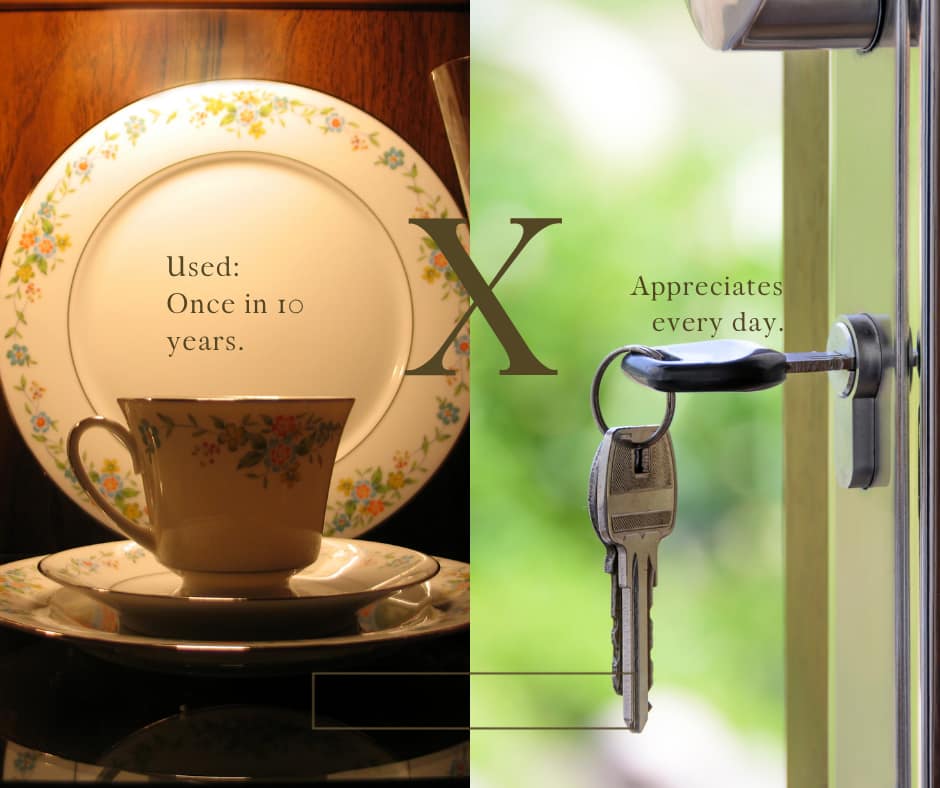
As a mom with young adult kids and a realtor, I’ve seen firsthand how the landscape of life’s big milestones has shifted. My own wedding registry years ago felt like a race to accumulate “stuff” – fine china that gathered dust and decor that ended up in a thrift store within a few years. Today, I’d much rather my children thrift household items and invest in a home. The value of a house appreciates, while the value of consumer goods depreciates almost instantly. This evolving mindset is transforming wedding traditions, particularly the wedding registry home down payment.
For a new generation facing unprecedented housing market challenges, the concept of a wedding registry is undergoing a profound evolution. No longer just a list for blenders and linens, it’s becoming a strategic tool to achieve the dream of homeownership. This article explores how modern couples, especially Millennials and Gen Z, are leveraging their wedding registries to fund their first home, offering insights into trends, etiquette, and practical advice.
The Rise of Home Down Payment Registries: Trends for Millennials & Gen Z
The American Dream of homeownership can feel perpetually out of reach for many young couples. With mortgage rates hovering around 8% and home prices continuing their upward climb, saving for a substantial down payment is a daunting task. This financial reality is driving a significant shift in wedding gift expectations.
According to a Zillow and The Knot report, a striking one in five engaged couples are now rejecting traditional wedding registries in favor of requesting down payment cash. This isn’t a niche trend; since 2018, the share of couples including “home funds” in their registries has increased by a remarkable 55%. These cash wedding gifts are seen as a vital stepping stone toward an appreciating asset, rather than the immediate gratification of new bedding or silverware. As Amanda Pendleton, a personal finance expert at Zillow Home Loans, notes, “They see the value of saving for an appreciating asset, as opposed to the immediate gratification of new bedding or silverware.”
Why Couples Prioritize Home Funds Over Traditional Gifts
The “why” behind this trend is simple: utility and long-term value. Many Millennials and Gen Z couples are already living together before marriage, meaning they’ve already accumulated many of the household essentials that once filled traditional registries. Gravy boats, fine china, and espresso machines often hold less appeal than a substantial contribution to their future.
Couples like Oliver and Cassie Nilsson, who featured in a Fortune article, exemplify this shift. They envisioned buying a house soon after college but faced the harsh reality of high interest rates and soaring prices. Their solution? A “first-home fund” as their sole wedding registry request. Living with Oliver’s parents for eight months and leveraging their wedding gifts allowed them to save enough for a condo down payment. For them, and countless others, this wasn’t just about convenience; it was about making homeownership a reality. The Millennial homeownership journey, and that of Gen Z home buying, is defined by such pragmatic decisions.
Understanding Guest Giving Behavior: Home Funds vs. Honeymoon Experiences
While the logic of a home down payment fund is clear to couples, guest giving behavior presents an interesting challenge. Data from The Knot reveals that honeymoon funds typically receive 32% more than new home funds ($767 vs. $556 on average). This disparity can be explained by “behavioral economics.”
Morgan Ward, a marketing professor at Emory University, suggests that guests prefer giving “hedonic” gifts – things the recipient wouldn’t typically buy for themselves, like a lavish experience. A honeymoon fund allows guests to contribute to specific, exciting experiences (e.g., “sunset cocktails in Santorini” or “a tasting menu in Rome”), making their gift feel more tangible and impactful. A home down payment fund, in contrast, is perceived as more “utilitarian” – something the couple will likely purchase anyway, making it feel less “fun” to contribute to.
To bridge this gap, couples can learn from honeymoon registries by making their home fund feel more experiential and personal. Telling your story and allowing guests to see the specific impact of their contribution can make a big difference.
Top Platforms for Creating a Home Down Payment Registry
Fortunately, numerous platforms have emerged to facilitate cash wedding gifts for down payments, making the process seamless for both couples and guests.
- Honeyfund: Originally for honeymoons, Honeyfund now offers custom cash funds for down payments, allowing couples to create personalized savings goals.
- Zola: A popular all-in-one wedding planning site, Zola allows couples to add cash funds for specific goals like a down payment with no extra fees for cash gifts.
- The Knot Cash Funds: As a leading wedding resource, The Knot provides a “Cash Funds” feature, enabling customizable and stylish contributions toward a future home.
- MyRegistry: This universal registry allows couples to link multiple cash fund registries, offering flexibility and combining a home fund with traditional items.
- Hitchd: Specializing in cash funds and experiences, Hitchd encourages couples to give their fund a specific purpose and describe their homeownership dreams in detail.
- Joy: Known for its zero-fee cash fund registry, Joy integrates with services like Venmo, PayPal, and Cash App, allowing guests to contribute without transaction fees.
These platforms provide tools to share your story and make contributing to your home fund feel meaningful and personal for guests.
Etiquette and Best Practices for Politely Requesting Cash Gifts
Asking for money can feel awkward, but with the right approach, it can be done gracefully. Here’s some wedding registry etiquette and best practices:
- Tell Your Story: Share why a home is important to you. Explain your dreams for your future home and how their contribution will help achieve it. For example: “We’re so excited to build our life together and are working towards buying our first home. If you’d like to contribute to our future nest, we’ve created a fund to help with our down payment!”
- Offer Options: Don’t make the cash fund your only option. Some guests prefer giving physical gifts. Include a small selection of traditional items, or even experience-based gifts, alongside your home fund. This shows thoughtfulness and respect for varying giving preferences.
- Keep It Light and Fun: A touch of humor can ease any perceived awkwardness. “We’re building our life (and hopefully a new home!) together. If you’re looking for a gift idea, we’d love help with our down payment more than anything that plugs into a wall.”
- Personalize Your Fund: Instead of a generic “Cash Fund,” name it something specific and engaging, like “Our First Home Fund” or “Key to Our Future Home.” Provide details, perhaps even linking to types of homes you’re eyeing, to give guests a clearer picture.
- Acknowledge Kindness: Always express gratitude. Emphasize that their presence is the greatest gift, and any contribution is deeply appreciated.
- Diversify Your Registry: Hitchd data suggests registries with at least six gift options (including the cash fund) receive higher average contributions. Guests enjoy having choices.
Navigating Mortgage Gift Fund Requirements and Tax Implications
Using home down payment funds from your wedding registry involves understanding specific financial and legal requirements, particularly concerning mortgage gift rules and tax implications.
- Gift Letters: For mortgage lenders, gift funds aren’t just cash; they’re documented. You’ll typically need a gift letter from each donor for significant contributions. This letter confirms:
- The donor’s name, address, and relationship to you.
- The gift amount.
- A statement that the money is a true gift with no expectation of repayment.
- The date of the gift.
- Proof of Funds: Lenders will want to trace the money. Keep records of the donor’s withdrawal slip and your deposit slip. For electronic transfers, retain proof of the transaction. They may also request the donor’s bank statements to ensure the funds aren’t a hidden loan.
- Source of Funds: Generally, gift funds must come from close family members (blood relatives or relatives by marriage). In some cases, employers or charitable organizations qualify, and for FHA loans, even close friends might be approved with proof of the relationship.
- Tax Implications:
- Annual Gift Tax Exclusion: In 2025, an individual can gift up to $19,000 to a single recipient ($38,000 to a married couple) without any gift tax liability. Most wedding gifts fall well within this.
- Reporting Gifts: If a gift exceeds this annual exclusion, the donor (not the recipient) must file IRS Form 709 to disclose it. However, this doesn’t usually mean they’ll pay tax unless they’ve exceeded their lifetime gift tax exemption.
- Lifetime Exemption: The lifetime gift tax exemption is substantial ($13.99 million for single filers, $27.98 million for married couples in 2025). This means “regular people should never fear” gift tax, as Fred Goncher of Backyard Mortgage Corp. explains.
- Lender Flexibility for Weddings: Lenders understand the impracticality of getting gift letters from dozens of wedding guests. For wedding gifts, they often accept “evidence of the wedding and a copy of the deposit made after the wedding,” treating documented gifts like the borrower’s own funds.
It’s crucial to communicate with your mortgage lender early about your plans to use wedding gift money to ensure all documentation is in order.
Exploring Alternative Wedding Gift Ideas Beyond Cash Contributions
While a home fund is becoming a priority, not every guest will choose to contribute cash, nor should it be the only option. Alternative wedding gifts cater to varied preferences and offer creative ways for guests to show their love without resorting to traditional items.
Beyond down payment contributions, couples can register for:
- Experiences: Cooking classes, wine-tasting memberships, a weekend getaway voucher, hot air balloon rides, or even tickets to a favorite theater. This addresses the “hedonic” preference of many givers.
- Personalized & Sentimental Gifts: Engraved items, custom artwork of their first home, a personalized photo album, or unique keepsakes that will be cherished.
- Charity Donations: For couples passionate about a cause, a donation in their name to a favorite charity offers a feel-good, meaningful gift.
- Consumption-Based Gifts: Subscriptions for specialty coffee, cheese, or wine, or even a luxury food box, provide enjoyable, consumable items without clutter.
- Home-Improvement Funds: If they already own a home, a fund for a specific renovation project, or gift cards to home improvement stores, can be incredibly valuable.
- “Honeymoon vs. Home Fund” Mix: Offering both a honeymoon and home fund ensures options for guests who want to contribute to either an experience or a long-term asset.
These ideas provide a wider array of choices, allowing guests to find a gift that resonates with them and the couple’s values.
The Evolving Role of Wedding Registries in Achieving Homeownership
The modern wedding registry reflects a fundamental shift in priorities for young couples. It’s moving away from simply furnishing a house to actively acquiring one. In an era where accumulating “stuff” is less appealing than securing financial stability and building equity, the wedding registry has transformed into a powerful tool for housing market challenges.
For many, homeownership is the ultimate appreciating asset, a foundation for building wealth and future security. By proactively asking for contributions towards a Wedding Registry Home Down Payment, couples are making strategic choices that align with their long-term financial goals. This new approach not only helps them overcome significant financial hurdles but also redefines the very meaning of a wedding gift – from an item of temporary use to an investment in a shared future, unlocking the door to their dream home.
As a realtor, I commend this practical and forward-thinking approach. It’s inspiring to see young couples prioritize an asset that truly grows in value, setting themselves up for success in a challenging economic climate.
Would you like to know how much home you can afford? Try my home mortgage estimator Here. Here is a question and answer guide to real estate in Lancaster County PA that addresses the most asked real estate questions you may be asking or may not have thought of asking yet: Q&A
Do you have real estate questions and what to talk to us? Contact us!

Leave a Reply