What Happens When You Dig Deeper?
A property can make a wonderful first impression. Fresh paint, a beautiful kitchen, a well-maintained lawn, or a picturesque barn can make it easy to imagine yourself living there.
But sometimes the most important parts of a property are the things you can’t see.
That’s where environmental inspections come in.
Unlike a standard home inspection, which focuses primarily on the condition of the house, environmental inspections evaluate potential health, safety, and environmental risks that could affect both the property and the people who live or work there.
Not every property needs every type of environmental inspection. The right inspections depend on the property’s location, history, age, and intended use. Knowing which questions to ask can save thousands of dollars—and provide peace of mind long after closing.
Environmental Concerns for Residential Homes
For many homes, environmental testing focuses on the essentials.
Radon Testing
Radon is a naturally occurring radioactive gas that has no color, smell, or taste. It enters homes through cracks in foundations and is one of the leading causes of lung cancer among non-smokers. Fortunately, testing is inexpensive, and if elevated levels are found, mitigation systems are highly effective.
Well Water Testing
If the home has a private well, testing the water is essential. Water quality tests may look for bacteria, nitrates, heavy metals, and other contaminants that could affect your family’s health.
Septic System Evaluation
A septic system may appear to work normally while hidden problems develop underground. A professional inspection can identify failing components, drainage issues, or systems nearing the end of their useful life before they become expensive surprises.
Soil Conditions
Although less common for a traditional home purchase, soil testing may be appropriate if there is concern about previous land use or contamination.
Farms and Rural Properties
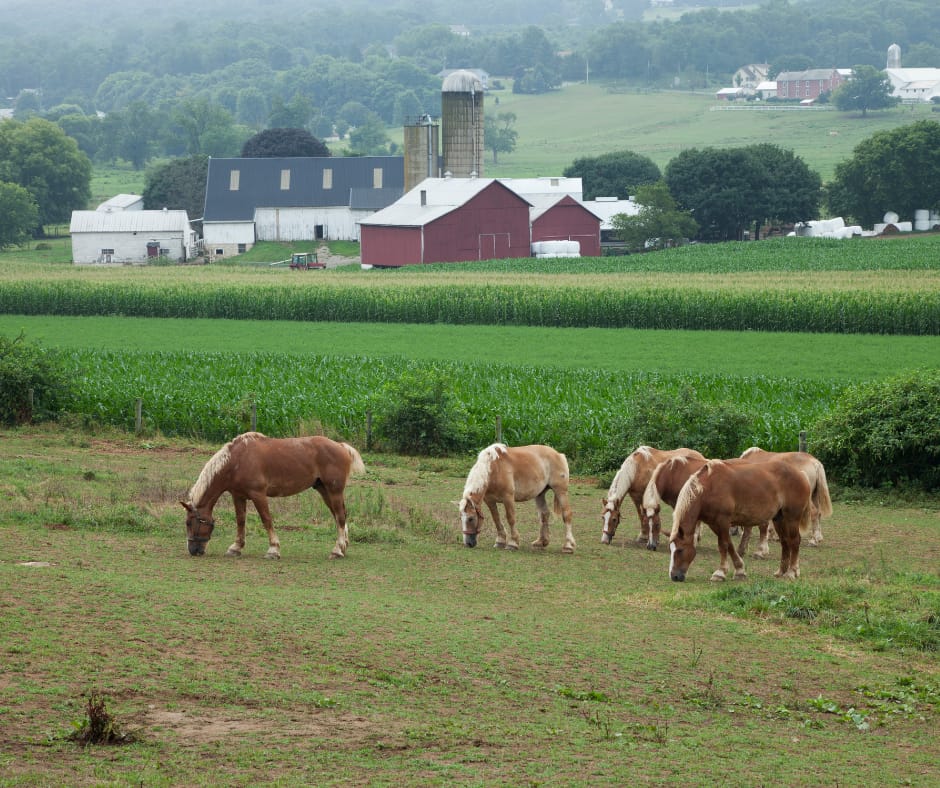
Lancaster County is known for its beautiful farmland, horse properties, and rural homes. These properties often require a little more investigation because they’ve typically been used differently than a suburban neighborhood.
Environmental concerns may include:
- Fuel storage tanks, both above and underground
- Historical pesticide or herbicide applications
- Fertilizer runoff
- Livestock waste management
- Stream or wetland protection
- Multiple wells serving both the residence and agricultural operations
- Aging septic systems with higher demand
- Asbestos roofing or siding on older barns
- Lead-based paint on historic structures
If you’re purchasing acreage, a horse farm, or an active agricultural property, understanding these issues before closing can help you plan for future maintenance and avoid unexpected costs.
Mixed-Use and Commercial Properties
Environmental inspections are most commonly associated with commercial real estate—and for good reason.
If you’re purchasing a commercial building, investment property, warehouse, office, mixed-use building, or property with a business history, understanding the site’s environmental condition is often an important part of due diligence.
Past uses of a property can leave behind issues that aren’t obvious during a typical walkthrough.
Examples include:
- Former gas stations or fuel storage
- Auto repair facilities
- Dry cleaners that used industrial solvents
- Manufacturing operations
- Agricultural chemical storage
- Restaurants with grease traps or drainage concerns
- Warehouses with chemical storage
- Historic industrial sites
In some cases, buyers may order a Phase I Environmental Site Assessment (ESA). This report reviews historical records, aerial photographs, regulatory databases, and the property’s previous uses to identify potential environmental concerns. If issues are discovered, additional testing—known as a Phase II Environmental Site Assessment—may be recommended to collect soil, groundwater, or other samples.
While Phase I and Phase II environmental reports are typically associated with commercial transactions, they may also be appropriate for farms, mixed-use properties, or residential properties with a unique history.
Why Environmental Inspections Matter
Environmental concerns can affect far more than your health.
Depending on the issue, they may also influence:
- Property value
- Financing approval
- Insurance coverage
- Future resale value
- Development opportunities
- Repair and cleanup costs
Identifying concerns before you purchase allows you to negotiate repairs, request additional testing, or make an informed decision about whether the property is the right fit.
You Don’t Have to Navigate It Alone
Every property is different, and not every buyer needs every environmental inspection. Part of my job is helping you understand which inspections make sense for the type of property you’re purchasing.
With my background in commercial due diligence, high-value insurance inspections, and real estate, I’ve seen firsthand how asking the right questions early can prevent costly surprises later.
Whether you’re purchasing your first home, a historic farmhouse, a horse property, a mixed-use building, or a commercial investment, I can help connect you with experienced environmental professionals and guide you through the process.
After all, buying real estate isn’t just about what you can see—it’s about understanding what lies beneath the surface.
Leave a Reply